Best Movies That You Cant Watch Again
What makes a film truly great? Anyone can argue anything about their favorite movies and what makes them amazing in their eyes, from costumes to music, humor, acting, writing, or suspense. Films are always subjective, but with terrible editing, direction, or writing, a film may be hyped as objectively bad, which heavily risks its chances of being lost into the endless black void of unloved films. It's kind of impossible to really narrow down a film's greatness based on anything other than a viewer's reaction, and even some objectively bad films can find a welcome forever-home in the USBs of ironic hipster viewing parties, safely outlined as a 'cult classic'.
In some specific cases, however, a film's unwatchability has nothing to do with how badly a film is received, but rather the intense emotional knockout that can occur after sitting down and watching it from start to finish. Some films can be appreciated greatly for their scripts, acting, story, or cinematography, but force so much emotional strength to keep intact for two-plus hours that crying may become your only option, such as with these films below.
Come and See (1985)
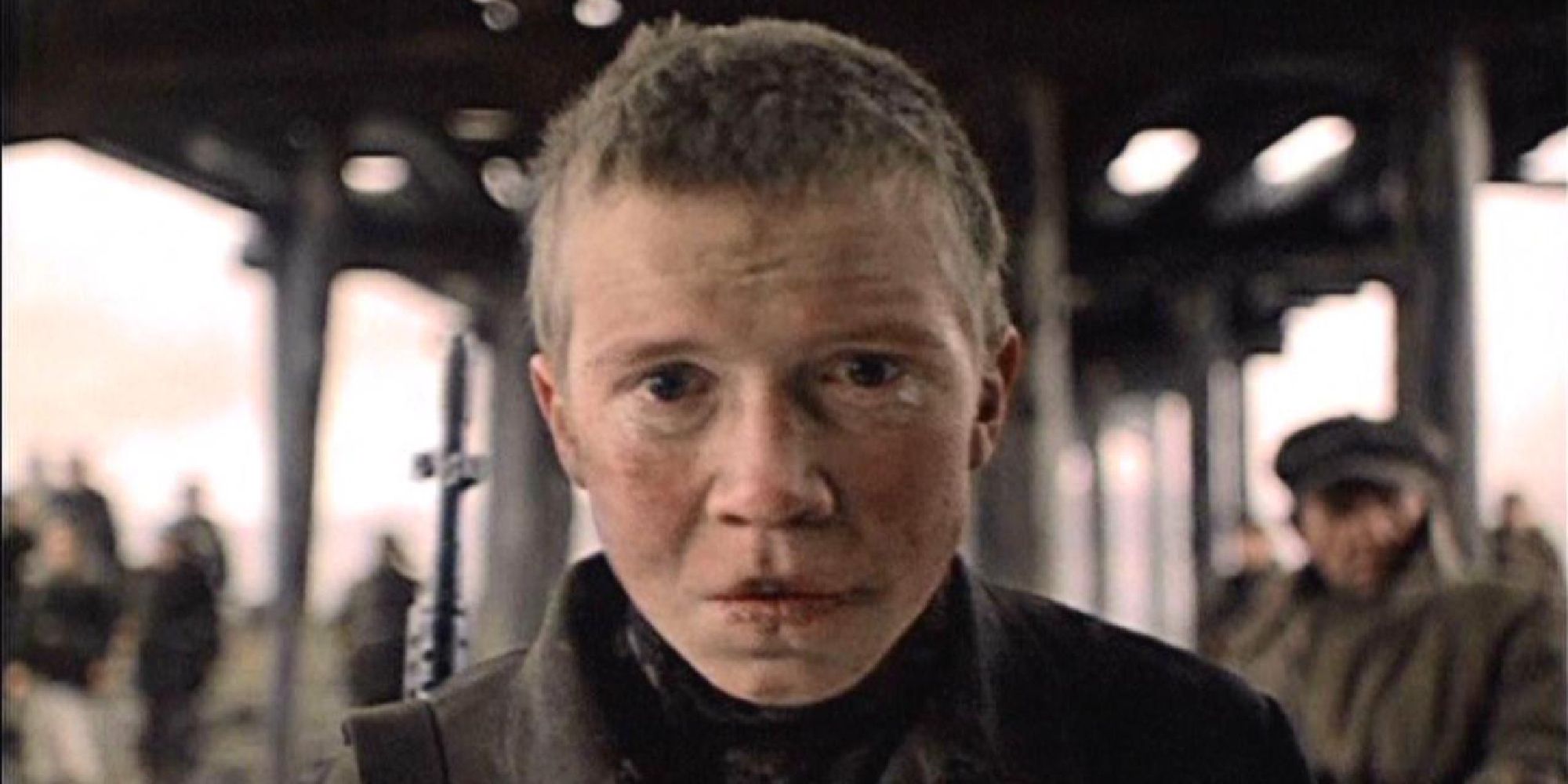
Set during the Nazi invasion of Belarus in the Second World War and filmed during the final days of the Soviet Union, Come and See follows a young child soldier experiencing and witnessing the brutality Nazi officers inflicted upon his own and other local villages. Director Elem Klimov stated that he created this film in order to make the world aware of the tragedies that happened in more than 600 Belarussian villages, as he believed there was not enough public knowledge of these events. As a result, the film is a harrowing, heart-wrenching story of the reality of war and the psychological effects it has on those unlucky enough to live through it.
Klimov does not shy away from using hyper-realist shots of human suffering, as well as exploring ideas of surrealism, absurdism, and existentialism in this film to display the chaos of war, its tragic civilian cost, and the lack of philosophical meaning or sense that comes with warfare. Come and See is one of the best anti-war films of all time, but its unflinching depiction of human conflict is hard to endure more than once.
If Beale Street Could Talk (2018)
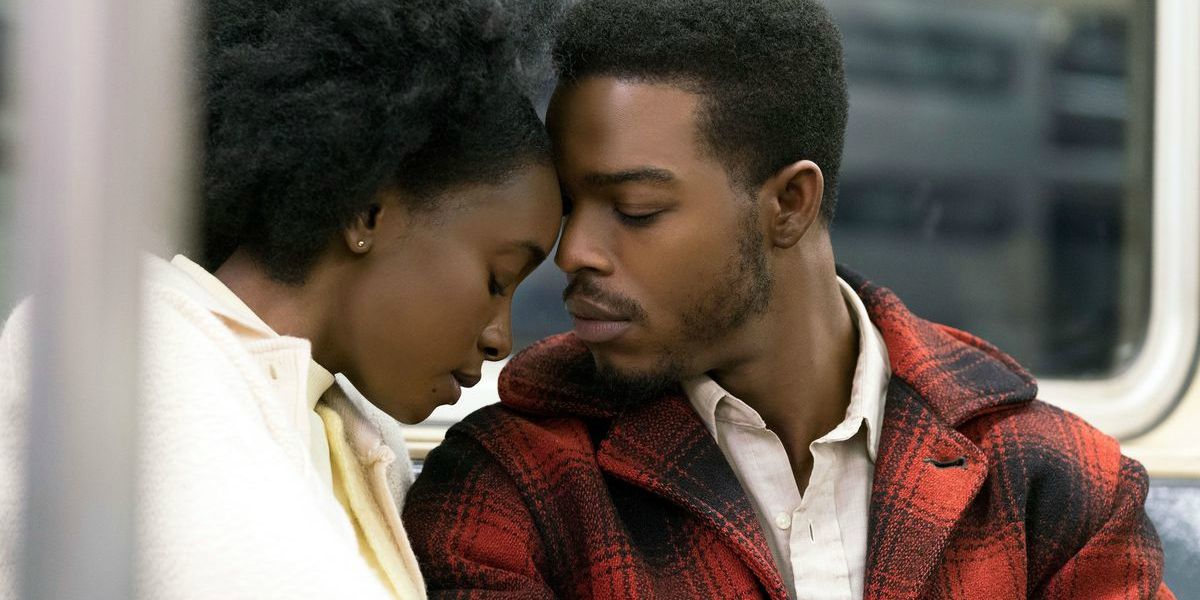
Originally a novel written by the legendary James Baldwin in 1974, If Beale Street Could Talk follows the story of a young couple experiencing the harsh realities of systemic racism and social injustice after a false accusation aims to destroy everything they have built together. The film is directed by Barry Jenkins, who also directed the visually stunning Moonlight, and beautifully displays the undying love between Tish (KiKi Layne) and Fonny (Stephen James) even under the cruelest circumstances.
Jenkins once again utilizes his expressionist aesthetic and creative style in the film to focus on the emotions of Baldwin's characters, and the result is something that is breathtaking yet devastating. It is a harrowing tale of how racism and prejudice seep their way into every part of society and aims to crush the beautiful love story of the two main characters. It displays outrightly the resilience of love, but its tragic ending can sometimes be too much to bear.
Boys Don't Cry (1999)
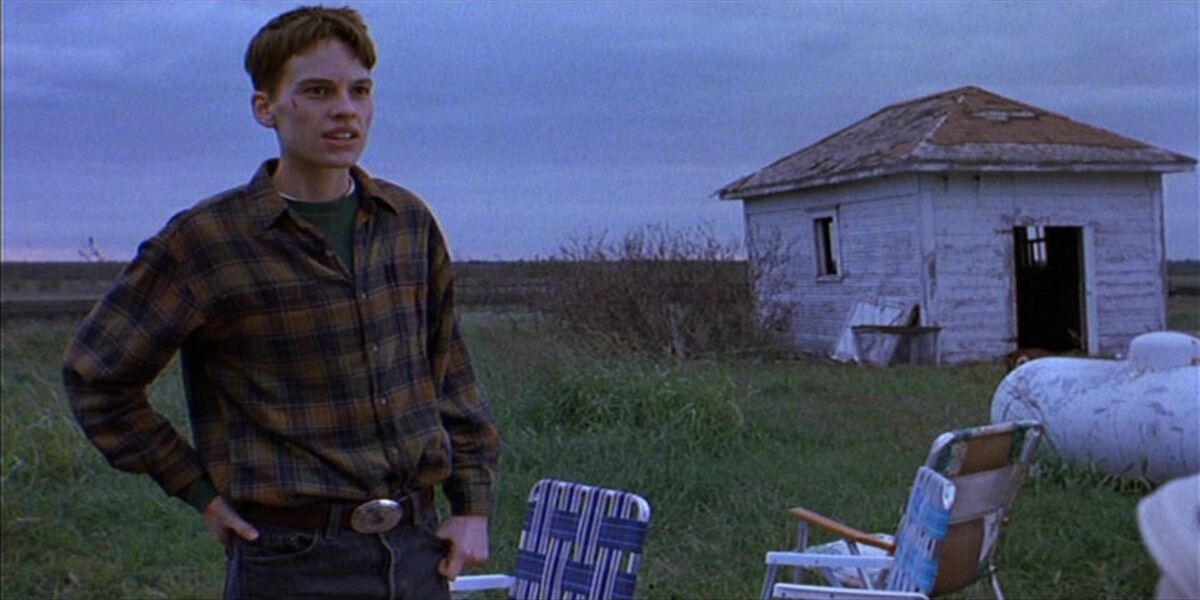
Based on the real-life story of Brandon Teena, Boys Don't Cry follows a young transgender man coming to terms with himself and beginning the hard road of self-acceptance. Directed by Kimberly Peirce who made the controversial choice of having Hilary Swank (a cisgender, heterosexual woman) play the main lead, the film is sadly another example of real transgender voices being overshadowed and hidden by their cisgender counterparts. The film also falls into the trap of utilizing queer stories only for them to end in tragedy, colloquially known as the 'Bury Your Gays' trope, and this film's ending is especially hard to watch.
However, it's important to remember that Brandon Teena was a real person and that his story is still important to tell so that more are aware of the senseless, transphobic violence that happened to him. It is a film that is both a reminder of cinema's poor handling of its queer (especially transgender) characters, as well as a heartbreaking, real story that happened to someone who didn't deserve it. Boys Don't Cry is conflicting to watch, and even harder to watch twice.
Judas and the Black Messiah (2021)
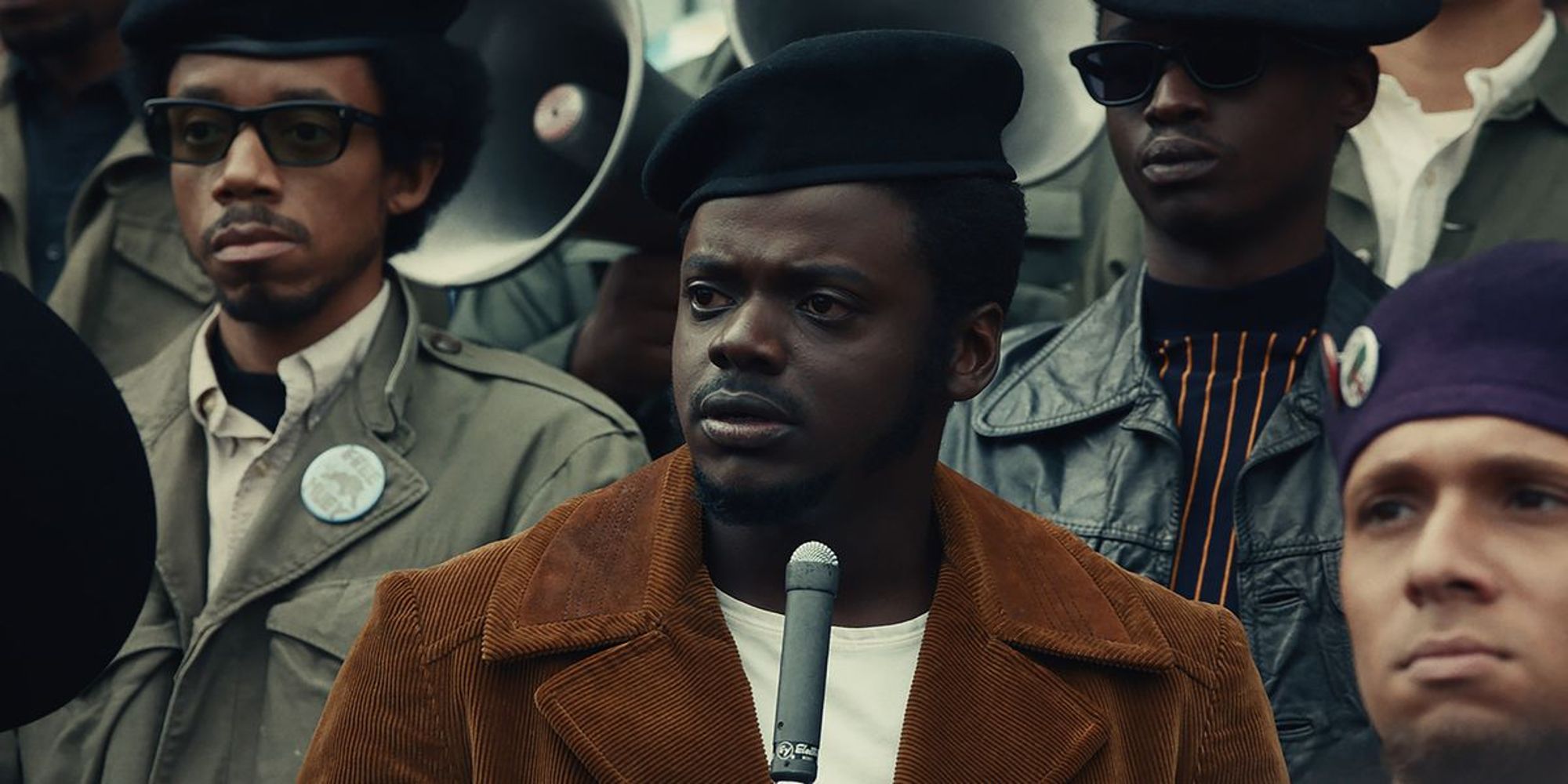
Another film based on real events, Judas and the Black Messiah tells the story of the American activist and chairman of the Illinois chapter of the Black Panther Party, Fred Hampton (played by Daniel Kaluuya), and his betrayal by FBI informant William O'Neal (played by LaKeith Stanfield). Ultimately a story about institutional racism, the class struggle, brotherhood, and the bloodthirsty power of the status quo, Judas and the Black Messiah is a poignant and upsetting retelling of a promising future destroyed and covered up by those who prefer to stay in the past.
Director Shaka King chooses not to focus only on the personal, internal struggle of one individual, but instead to display how communities respond and react to large, systematic forms of power, as well as how its tight grip can even strangle those working towards its survival. The chemistry and acting chops of Kaluuya and Stanfield are extraordinary and one of the many highlights of the film, making the tragic conclusion even bleaker as both characters clearly show an understanding and respect for each other. The film is spectacular to watch and learn from, but the real-world after-effects can rock you to your core.
Dear Zachary: A Letter to a Son About His Father (2008)
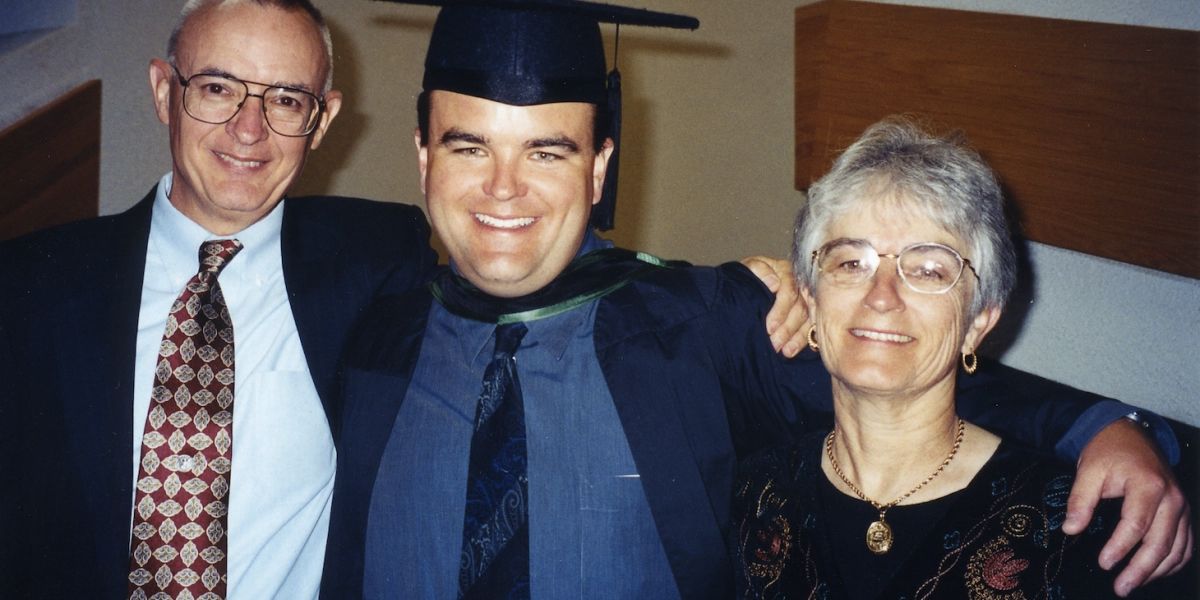
The only documentary on this list, Dear Zachary: A Letter to a Son About His Father is a film that unapologetically puts all its emotional cards on the table and displays a soul-stirring story of murder, injustice, and unimaginable grief. Created by filmmaker Kurt Kuenne about his childhood best friend, Andrew Bagby, who was murdered by a woman who later gave birth to his son, Zachary, Kuenne attempts to create a visual time-capsule of his life through film. Told through his own thoughts and the words of Andrew's friends and family, Dear Zachary is a true-crime documentary that focuses all its energy on the victim instead of the perpetrator, giving way for an emotional catharsis that comes with the territory of loss.
The film is a transcendent documentary that will stay with you long after the credits roll, thanks in part to the unshakeable determination by Kuenne to solidify his friend's legacy, as well as the horrific and unexpected twists the story unfortunately follows. Dear Zachary is an unsanitized and desperate display of real grief and tragedy and has a high chance of staying in your mind for years to come, for better or worse.
About The Author

Source: https://collider.com/5-great-movies-youll-never-want-to-watch-again/

Post a Comment for "Best Movies That You Cant Watch Again"